


Honzík Became Head of Procurement—Now What? (5)
I like this case study. I ask my students to describe how they would take over and run a company’s purchasing process. The answers are sometimes bland, sometimes…


Motto: “Procurement isn’t only about savings.” — Jan Hirsch
Honzík rushed to his boss with his latest triumph. He’d managed to squeeze a 20% discount out of the grinder supplier—plus a volume discount for orders over 20 units! And they say he can’t run tenders!
Sure, the chase for savings — and even setting rewards and bonuses for hitting them — has its place when we’re putting procurement in order. But a supposed 40% saving on a given raw material looks more like close cooperation with the police. And you can’t keep cutting forever; savings have a floor (and then there go our bonuses).
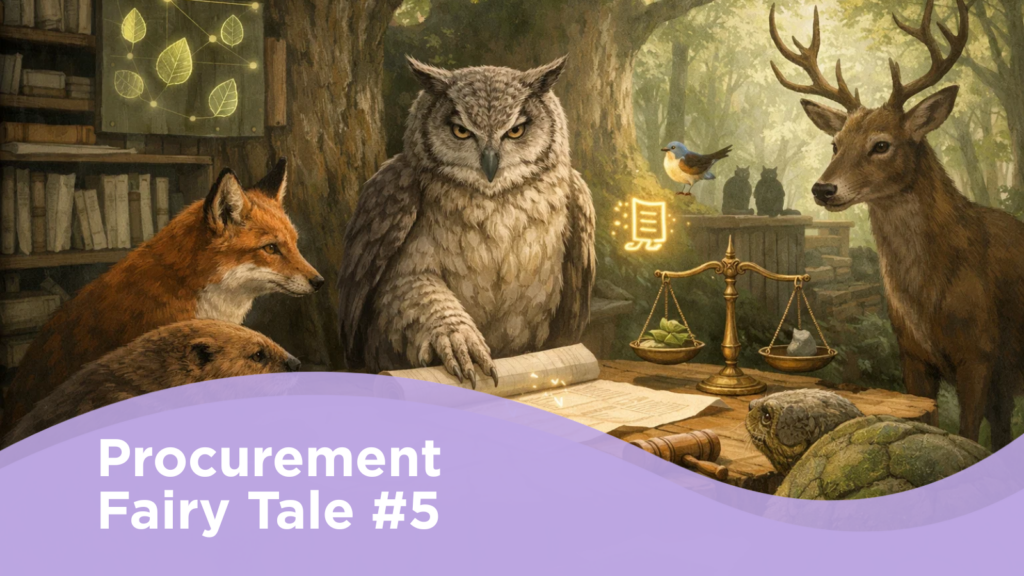
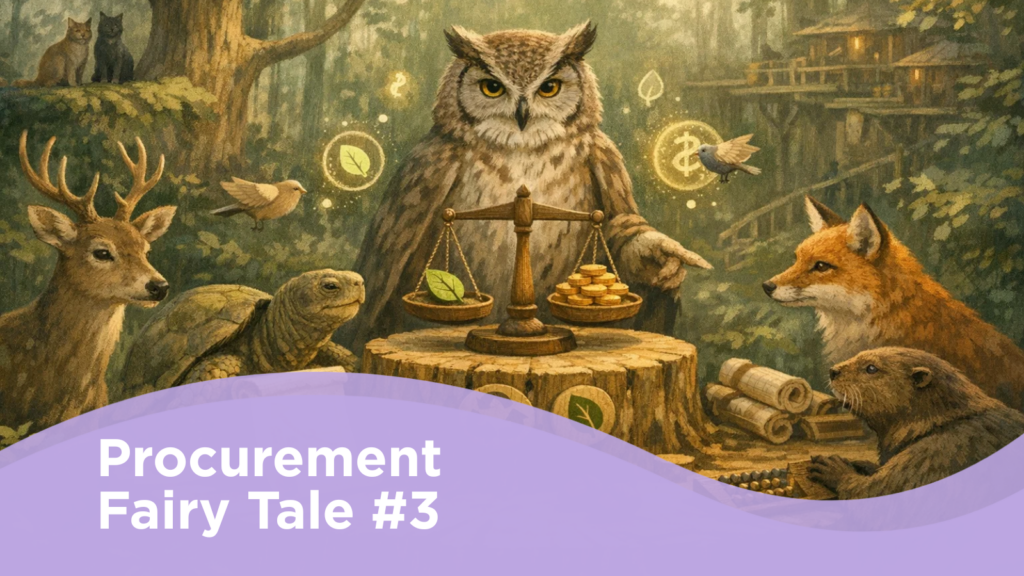
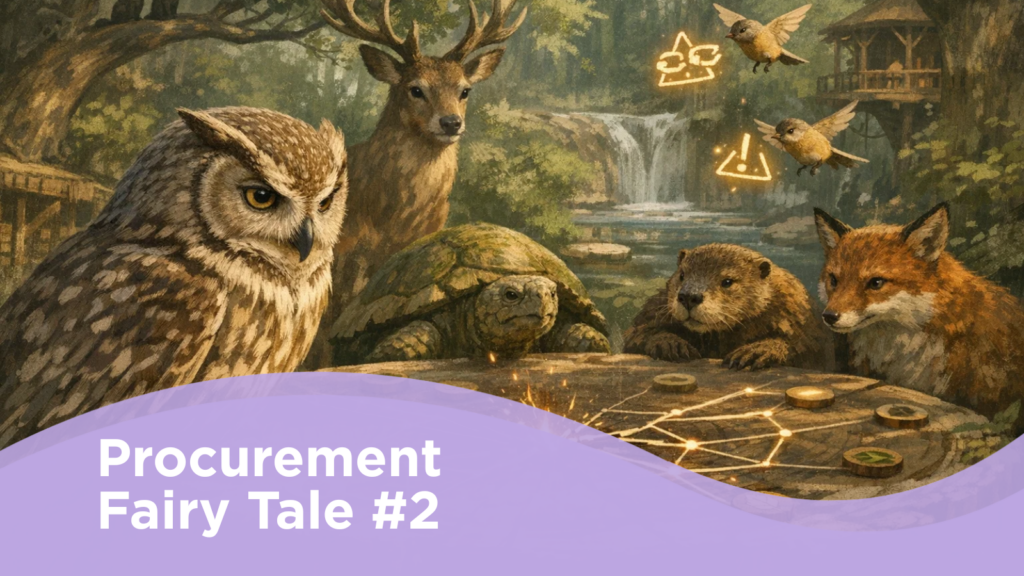
The little animals know more factors come into play than just price. One interesting one is LCC (life-cycle cost)—the question of whether, in repeated repairs and maintenance of a machine or device, we won’t end up paying more than we “saved.” We usually don’t track this closely (it’s laborious). We can also use references—how satisfied others are with the product. Some people simply make cheap junk, and others make pricier grinders that last. Hard to explain to the boss.
Honzík knows there are several parameters we can use to set priorities when selecting a supplier. We do it by assigning a weight to each parameter in the tender—that is, a coefficient that raises (or lowers) its importance. It’s like tuning a guitar: you tune it to the harmony you want.
So, what key will our little animals tune to? Here are a few options:
The animals may still pretend that price decides, but now they’ll know the story is more complicated.
I like this case study. I ask my students to describe how they would take over and run a company’s purchasing process. The answers are sometimes bland, sometimes…
There comes a point when managing fasteners weighs on you so much that you feel like all you do in meetings is deflect colleagues’ shots — “we would…
That lady who snapped at the camera—“I would ban all those internets”— became quite a meme, an icon even. An icon of what, exactly? For those who remember…

Privacy Policy here.

