


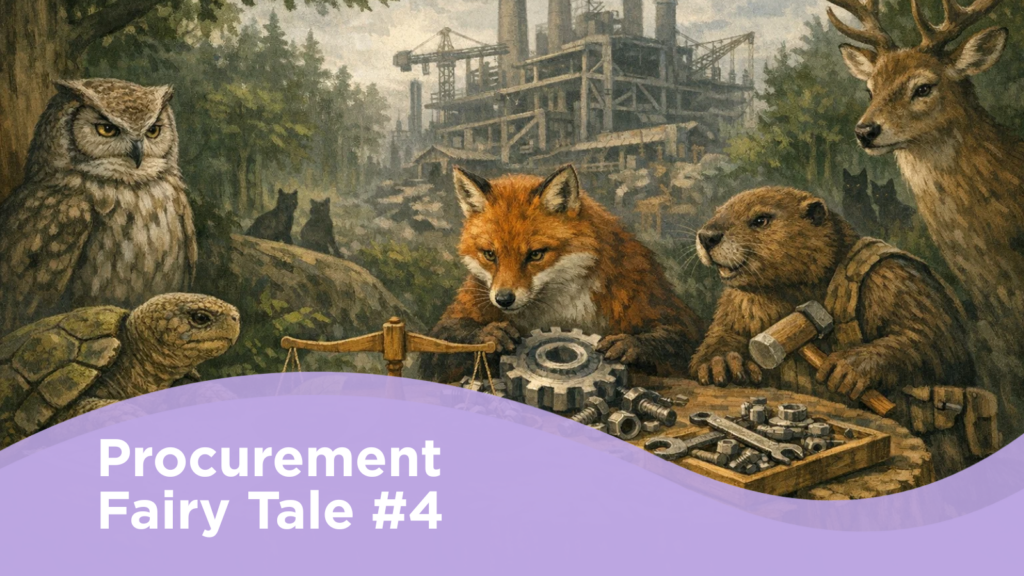
How the Little Animals Bought Screws (4)
There comes a point when managing fasteners weighs on you so much that you feel like all you do in meetings is deflect colleagues’ shots — “we would…


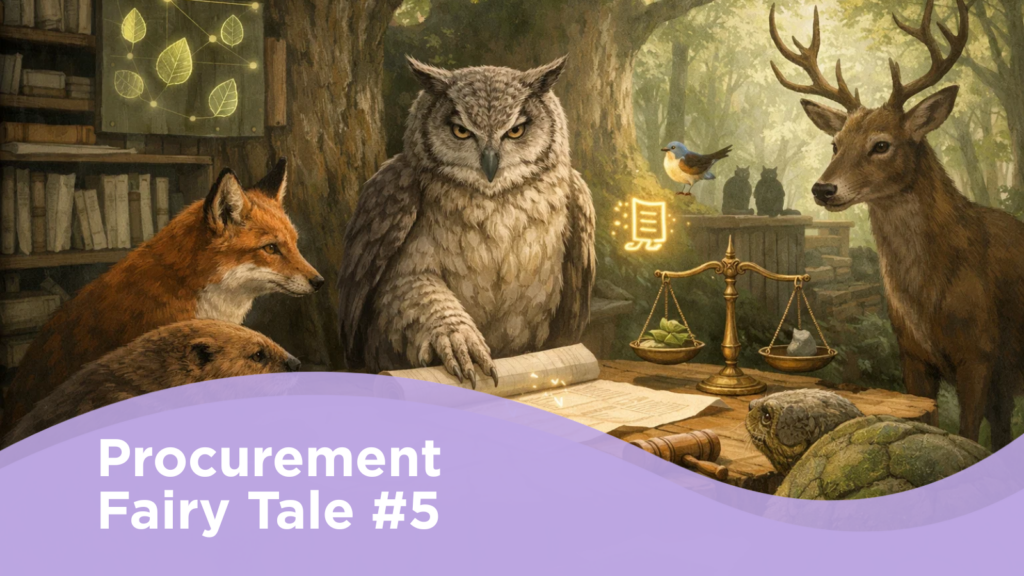
I like this case study. I ask my students to describe how they would take over and run a company’s purchasing process. The answers are sometimes bland, sometimes interesting—and I have a good time and, most importantly, I learn. That’s what universities are for, right?
Our Honzík is a smart guy (and he reads fairy tales). First, he has a warm, human chat with his people in procurement: what exactly do you do, what are your goals, does it bring you joy? One by one, with each person. Then he has the same warm, human chat with internal clients: good day, I appreciate you, we’re going to be living together—what should we improve, what should we do better for you? Again one by one—he’ll make the time.
Of course, analyses of all kinds are essential (the data speaks for us), but a warm human word can’t be replaced.
Only we know (and so does Honzík) that the most important thing of all is suppliers. How many there are, what they deliver, how they’re viewed by the company at large, the number of complaints (and that subtle, hard-to-grasp factor: pressure on innovation!). Suppliers are Honzík’s team; he is now their leader and benevolent “dad.”
There’s nothing that says he has to keep the suppliers he inherited from his predecessor. Quite the contrary—he should, and must, consider which ones he’ll work with and which relationships he’ll cut. For that he can use:
Let’s recall that a supplier gets onto the approved list through a competitive process (e-auction, tender), and gets taken off via a formal warning process.
And one more thing holds true: the fewer suppliers, the better. All the duplications and redundancies—“if this one fails, we’ve got a backup, and then another helper, and yet another helper”—that needs to go. First, they’re costly to manage; second, they distract from what matters: improvement and innovation. Interventions like these typically bring at least a 5% reduction in purchasing costs (where there’s been disorder in the company) and put supplier orderliness in place as the starting point for excellence.
When it comes to suppliers, everyone in the company who has a nose tends to have their own “log on the fire,” inherited somehow. The chief designer goes on vacation with one, another plays golf with the top brass, others are there for historical reasons—no one even knows why. One supplier was picked by the boss’s driver because they served good coffee with poppy-seed cake.
Selecting suppliers is the exclusive right of strategic procurement, but selection must follow clear rules and be done in cooperation with the team.
Being head of procurement is easy—Honzík knows it. Now make a solid plan, set your goals, and we can get started.
There comes a point when managing fasteners weighs on you so much that you feel like all you do in meetings is deflect colleagues’ shots — “we would…
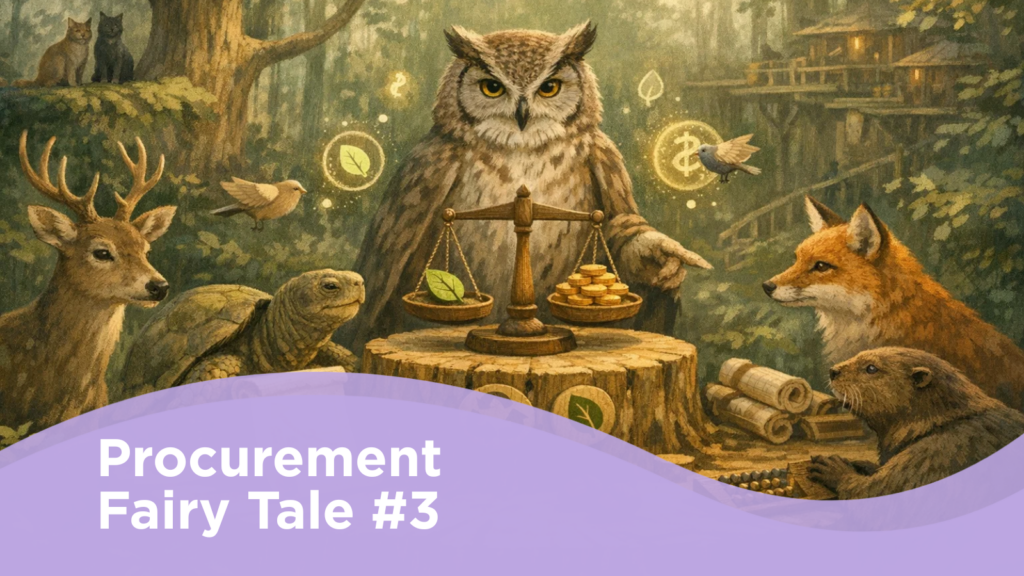
Motto: “Procurement isn’t only about savings.” — Jan Hirsch Honzík rushed to his boss with his latest triumph. He’d managed to squeeze a 20% discount out of the…
That lady who snapped at the camera—“I would ban all those internets”— became quite a meme, an icon even. An icon of what, exactly? For those who remember…

Privacy Policy here.

